
Wednesday night at our house has a specific flavor of chaos.
Jamie gets home around 6:15. Mateo has homework that he insists he finished but didn't. Sofia is hungry in the way that only a 7-year-old can be hungry—which is to say, she's been hungry for forty minutes and is now refusing everything. And I'm standing in front of the refrigerator with the door open, doing the thing where you stare at food and hope dinner appears.
We're not out of food. That's the frustrating part. The fridge is full. The pantry has stuff in it. We just can't see it.
So one Wednesday, instead of ordering pizza for the fourth time that month, I did something different. I opened ChatGPT, typed out everything in our kitchen, and asked it to build a dinner plan from what was already there.
It worked. Not perfectly. But well enough that we now do this once a week, and our grocery spending has actually gone down.
Here's the honest version.
The Actual Problem

Let me be specific, because "meal planning is hard" is the kind of vague statement that doesn't help anyone.
The problem isn't that we don't know how to cook. Jamie and I both cook fine. The problem is that we plan meals by recipe, and recipes require ingredients we don't have. So we go to the store, buy things for a recipe, use them once, and forget about the rest. Two weeks later there's a half-used jar of something in the back of the fridge that we can't identify.
Meanwhile, there's chicken in the freezer, rice in the pantry, a bag of carrots that's been there a while, and half a container of sour cream we bought for something else.
We have food. We don't have a plan for it.
And when you're standing in front of the fridge at 6:15 on a Wednesday, "I could make something with this" is a completely different skill from "here's what I'm making."
What I Did
I opened a fresh chat and typed out an inventory. Not a neat list—the actual contents, as best I could tell.
"Here's what's in our kitchen right now. Build me four dinner options for this week using only these ingredients, plus basic staples I'm assuming we have.
Fridge: half a container of sour cream, a bag of carrots, half an onion, shredded cheese, two eggs, butter, milk, some wilting lettuce.
Freezer: chicken thighs (about 2 lbs), frozen peas, ground beef (1 lb), frozen spinach.
Pantry: white rice, pasta, canned tomatoes, black beans, chicken broth, flour, olive oil, garlic, a bag of tortillas, bread.
Staples I'm assuming we have: salt, pepper, basic spices, cooking oil, sugar.
Rules: Keep it simple. Nothing that takes more than 40 minutes. Nothing that requires ingredients I didn't list. Assume a 7-year-old will refuse anything with visible vegetables. Give me the four dinners plus a short shopping list for anything I'd need to buy to make all four work."
That last line is important. I didn't want a meal plan that required a special trip. I wanted to know the minimum I'd need to buy to make the whole week work.
What It Gave Back
Four dinners, each with a short ingredient list and a rough time estimate:
Chicken and rice with carrots — 35 minutes. Uses chicken thighs, rice, carrots, onion, garlic.
Pasta with tomato and bean sauce — 25 minutes. Uses pasta, canned tomatoes, black beans, garlic, olive oil.
Ground beef tacos — 20 minutes. Uses ground beef, tortillas, cheese, sour cream, lettuce (optional).
Chicken and spinach skillet — 30 minutes. Uses chicken, frozen spinach, garlic, sour cream, broth.
Shopping list: two onions, one lime, a small can of green chiles, and a bag of tortilla chips.
That's it. Four dinners from what we had, plus about six dollars of extras.
The Test Card
Task: Build a week of family dinners from existing kitchen inventory.
Prompt or workflow: Type out an honest inventory by fridge, freezer, and pantry, state assumptions about staples, set constraints (time, kid-friendliness, no special shopping), and ask for a minimum shopping list.
Starting conditions: A full fridge and pantry, no plan, no time for a special trip, two kids with strong opinions.
Time before ChatGPT: 20–30 minutes of staring at the fridge, followed by either takeout or a rushed trip to the store.
Time after ChatGPT: About 12 minutes—6 minutes typing the inventory, 90 seconds generating, 4 minutes reviewing and adjusting.
Editing required: Moderate. Two of the four dinners needed tweaks because Sofia wouldn't touch them as written.
What went wrong: ChatGPT suggested a spinach dish that I know Sofia would refuse. I caught it because I know her. It also assumed we had a spice we don't keep on hand.
Privacy notes: No names, addresses, or personal details involved. I referred to the kids by age. Grocery inventory isn't sensitive, but I still keep the habit of not including identifying information.
Who should not use this method: Anyone with serious dietary restrictions who needs verified nutritional accuracy. Anyone who'd treat the output as a meal plan without checking it against what they actually have. And anyone hoping ChatGPT will solve the deeper problem—this organizes what you have, it doesn't stock your kitchen.
Why This Actually Worked
Three reasons, and none of them are about ChatGPT being clever.
It Forced an Inventory
This is the real value. Writing out what's in the fridge and pantry takes six minutes and is something I never do otherwise. The meal plan is almost a side effect—the inventory is the thing that changed how we cook.
Once you've written down "half a container of sour cream," you start thinking about what to do with it instead of letting it quietly expire.
It Started From What We Had, Not What We Wanted
Recipe-first planning means buying ingredients. Inventory-first planning means using them.
That's the inversion. It sounds small. It's not. Our grocery bill went down noticeably over the first month, mostly because we stopped buying duplicate ingredients we already had in the back of a cabinet.
It Made the Decision Before 6:15
This is the part that fixed Wednesday nights.
The problem was never cooking. It was deciding what to cook while everyone was already hungry. Having four options decided on Sunday means Wednesday-me doesn't have to make a decision—he just picks one.
The Kid Problem
Here's where ChatGPT needed my help.
Its first list included a spinach dish and a pasta with a tomato sauce that had visible chunks in it. Both would have been rejected on sight.
So I added a constraint on the next round: "Assume a 7-year-old will refuse anything with visible vegetables. Suggest one modification per dish that hides or removes them."
It gave me workable tweaks. Blend the tomato sauce. Chop the spinach fine enough that it disappears into the chicken. Put carrots on the side instead of in the rice.
None of that is genius. It's just the kind of adjustment a parent would make automatically—and once I told ChatGPT the constraint, it could suggest them too.
What I Do Now Every Week
The process has settled into something simple.
Sunday afternoon: I take five minutes to write out the fridge, freezer, and pantry. I paste the same prompt, updating the inventory.
I get back four options. I pick the ones that fit our week—if Mateo has a game Tuesday, I want the 20-minute meal that night.
I make a short shopping list. Usually four to six items, rarely more than fifteen dollars.
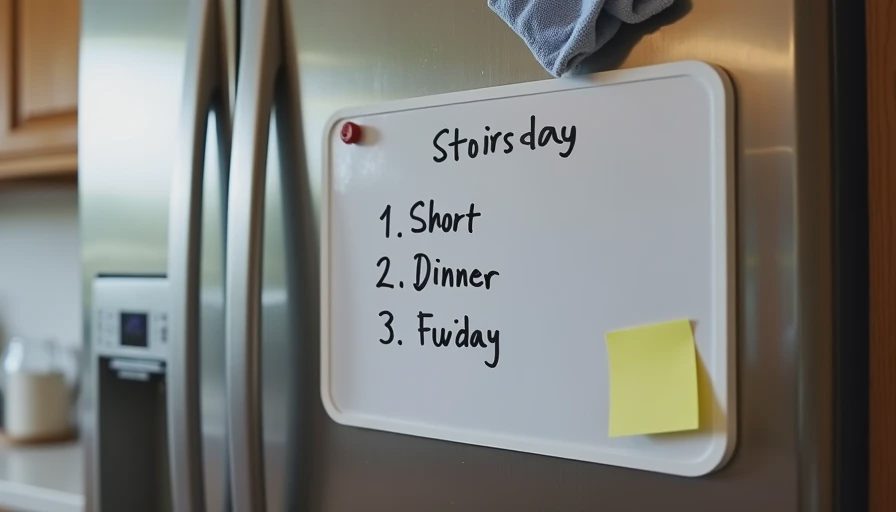
I write the four dinners on the whiteboard on the fridge. That's it. The whiteboard is the entire system. No app, no spreadsheet, no subscription.
Wednesday happens. And for once, Wednesday isn't a crisis.
The Thing I Want to Be Honest About
This isn't a magic solution to feeding a family. It doesn't make dinner cook itself, and it doesn't stop Sofia from deciding she hates rice this week after eating it happily for three years.
What it does is remove one specific, recurring decision from a moment when I'm least equipped to make it. That's a smaller claim than "ChatGPT solved meal planning," and it's the true one.
It also only works if the inventory is honest. If I write "chicken thighs" and there are actually two thighs and a lot of freezer burn, the plan falls apart. Six minutes of actually looking is the whole foundation.
The Bottom Line
Four dinners, from food we already owned, for about six dollars in extras.
No magic. Just an inventory I never would have written otherwise, four decisions made on Sunday instead of Wednesday at 6:15, and a whiteboard on the fridge.
I tried it in my kitchen so you don't have to. Useful beats impressive—and getting dinner on the table without a crisis is about as useful as it gets.