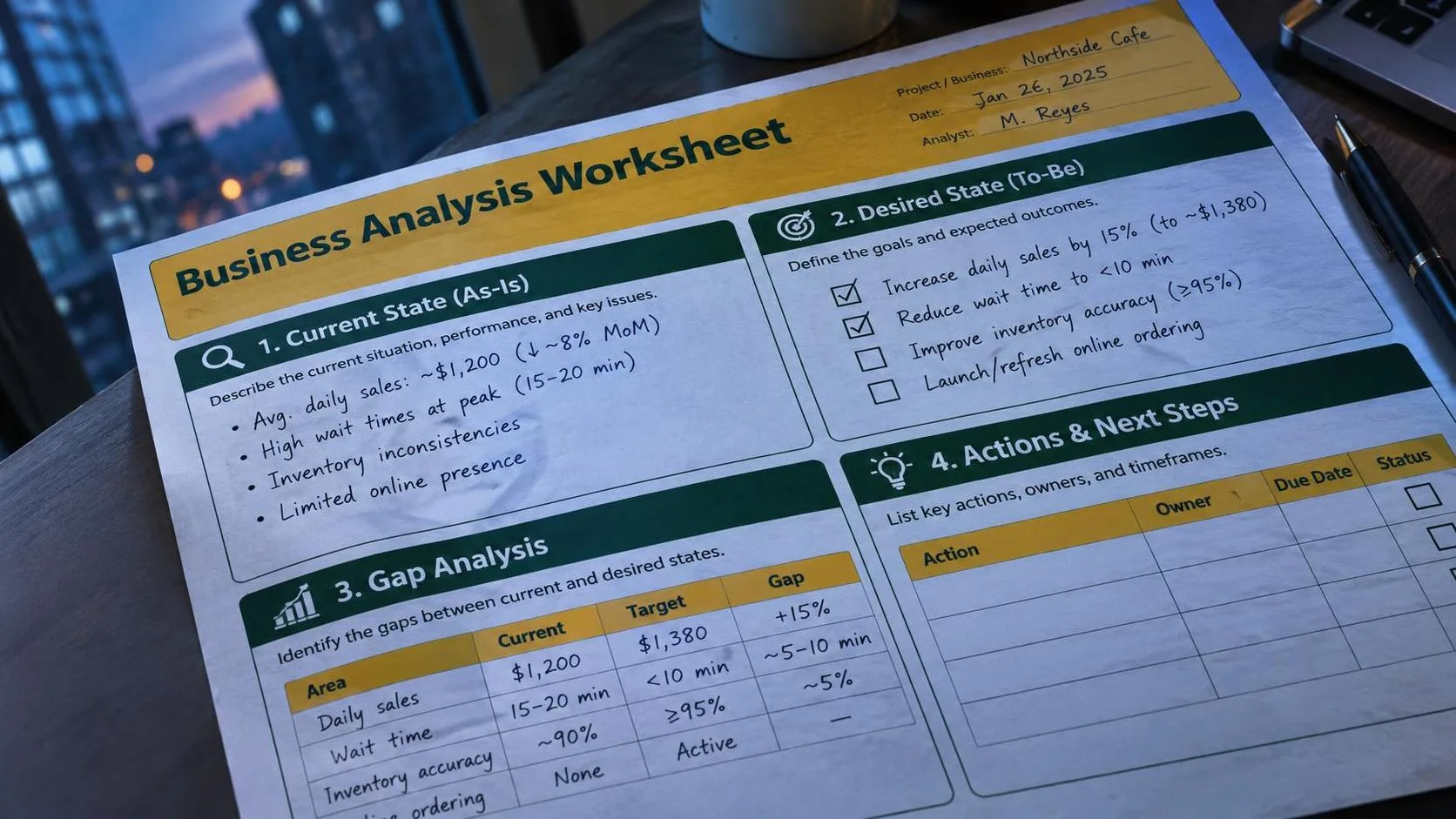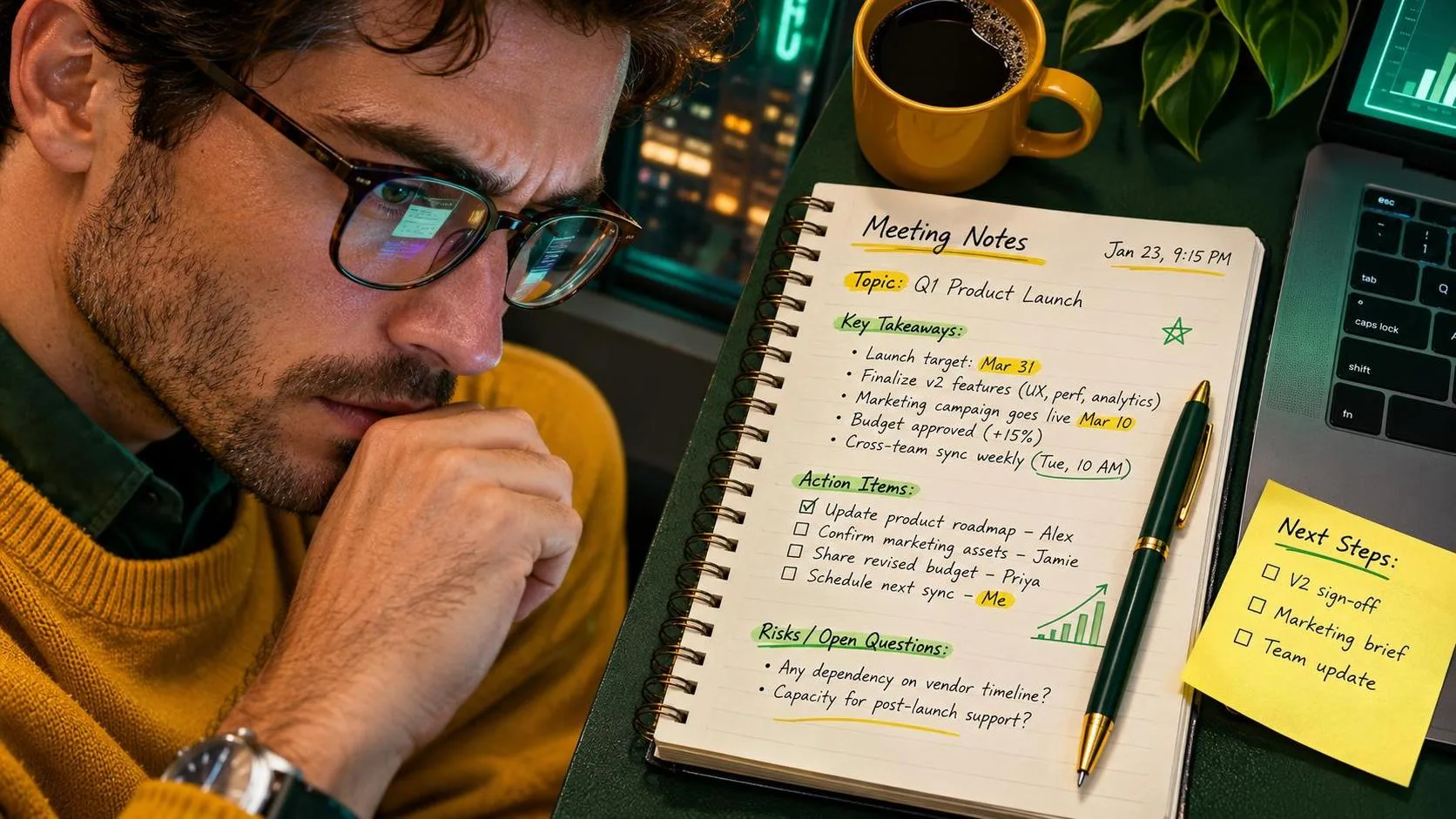
A good sop template does not need to sound like it was written by a committee trapped in a conference room. It needs to help a real person complete a recurring task without guessing what happens next. I tested ChatGPT on this kind of work at my desk, using a fictional order-shipping process, and found that the tool was useful when I supplied structure, limits, and an example. It was much less useful when I simply typed, “Write an SOP.”
What an SOP template should actually do
A standard operating procedure should answer five practical questions: What is the task? Who owns it? What materials or systems are needed? What are the exact steps? What should happen when something goes wrong? A useful sop template gives every procedure the same basic shape, so employees do not have to hunt through different documents for the information they need.
For example, an office procedure for processing a customer order might include the purpose, responsible role, required software, starting conditions, numbered actions, quality checks, escalation instructions, and revision date. That is more helpful than three paragraphs saying, “Process orders promptly and accurately.” The first version supports action. The second version supports a very small amount of wall decoration.
ChatGPT can help organize rough notes into these sections, but it cannot know your real process unless you explain it. Treat its first draft as a filing assistant with decent sentence skills, not as the person who has performed the job for six months.
A strong sop template also separates normal work from exceptions. If a payment fails, a required field is blank, or a shipment is damaged, the document should tell the reader where to stop and who to contact. Those details are often more valuable than polished introductions.

The prompt I used to create the first draft
Here is the prompt I tested with fictional information:
“Create an SOP using this structure: title, purpose, scope, owner, tools, required information, steps, quality checks, exceptions, escalation contact, and revision history. Write for a new office employee. Use short sentences and numbered steps. Do not invent missing policies. Mark uncertain details as [NEEDS CONFIRMATION]. Here are my rough notes: receive an order email, check the customer account, confirm inventory in the warehouse system, enter the order, send the confirmation, and flag any mismatch for the operations lead.”
That final instruction about missing information matters. Without it, ChatGPT may confidently invent an approval deadline, software button, or compliance requirement. With it, the output becomes easier to review. The resulting sop template had sensible headings and a readable sequence, but I still had to correct two assumptions: the order confirmation was not always sent by email, and the operations lead was not the escalation contact for every account.
The next prompt improved the document: “Review this draft for steps that depend on assumptions. List each assumption separately, explain why it needs confirmation, and rewrite the affected step without adding facts.” This turned the tool from a fast typist into a basic review partner. That is a better use of AI than asking it to pretend it knows your workplace.
Make the template easy to complete
A blank page causes procrastination, even for simple procedures. Your sop template should use prompts that tell the writer what belongs in each field. Instead of “Purpose,” write “State what this procedure accomplishes and why the task matters.” Instead of “Scope,” write “Name the teams, locations, products, or situations covered. Mention important exclusions.”
Keep each section narrow. A procedure title should describe one repeatable task, such as “Enter a standard customer order,” rather than “Manage sales operations.” The owner should be a role, such as “order coordinator,” instead of a person’s name that becomes outdated after a job change. The tools section should identify systems and documents, while the steps should describe actions in the order they occur.
For a practical sop template, include a short “Before you start” section. It can list access requirements, files, approvals, or information the employee must have ready. Then add a “Check your work” section with observable results: the order number exists, the account matches the request, and the confirmation contains the correct delivery details. Concrete checks reduce training questions and catch errors earlier.
Test the procedure like a new employee
After ChatGPT produces a draft, do not approve it from your chair. Pretend you have never seen the process. Can you tell where the task begins? Do the steps use the same terms people see in the software? Is there a clear answer when the normal path fails? If a step says “update the record,” which record and which fields should change?
I recommend testing the sop template with a real but nonconfidential example. Time yourself from the first step to the last, then ask another employee to follow it without verbal help. Every question they ask is evidence that the document needs a clearer instruction, a screenshot, a definition, or an exception.
ChatGPT can perform a useful second review with this prompt: “Act as a new employee following this procedure. Identify every step that is ambiguous, every term that is undefined, and every point where the reader could make two reasonable choices. Do not rewrite the procedure yet.” Reviewing first and rewriting second produced fewer unnecessary changes in my test.
Protect private and sensitive information
Do not paste customer names, account numbers, passwords, medical information, payment details, or confidential company data into a consumer AI chat. Replace them with labels such as [CUSTOMER], [ORDER ID], or [INTERNAL SYSTEM]. You can still test the structure and wording with fictional examples.
Before sharing a draft, remove proprietary pricing, private email addresses, contract language, and details about individual employees. If your employer provides an approved business AI account, follow its data-handling rules instead of assuming every chatbot has the same protections. ChatGPT’s suggestions also need human review for security, legal, financial, and safety implications.
A sop template should never include passwords or instructions that bypass access controls. It should point employees to the approved password manager, help desk, or supervisor. If a procedure affects payroll, healthcare information, customer payments, or regulated records, ask the responsible manager to verify the final wording.
Keep the document current after launch
An SOP becomes unreliable when the software changes but the document does not. Add an owner, effective date, version number, and revision history. Schedule a review after a system update, policy change, recurring error, or employee training issue. You do not need a monthly meeting for every document; a simple trigger-based review is often more realistic.
You can ask ChatGPT to compare an old and new procedure, but do not let it decide which policy is correct. Try: “Compare these two drafts. List changed steps, removed requirements, new assumptions, and questions a manager must answer. Do not recommend a policy.” That keeps the tool focused on differences rather than making an unsupported judgment.
The best sop template is the one people actually use when work gets busy. Start with one annoying, repetitive process. Gather the real notes, have ChatGPT organize them, verify every step, and test the document with someone unfamiliar with the task. No magic. Just a workflow that survived Monday. If it saves time, record how much: fewer clarification messages, faster training, or five less minutes per order can justify the effort better than a glossy promise about artificial intelligence.